




When your Check Engine Light suddenly comes on and your scan tool displays a P0300 trouble code, it's natural to wonder: What does it mean? Is it safe to keep driving? Will the repair be expensive?
The good news is that P0300 is one of the most common engine fault codes found in modern vehicles. While it doesn't always indicate a major engine failure, ignoring it for too long can lead to poor performance, reduced fuel economy, and even damage to expensive components such as the catalytic converter.
In this guide, we'll explain what the P0300 code means, its common causes, symptoms, diagnostic procedures, and how to fix it before it becomes a more serious problem.
What Is a P0300 Code?
The official definition of the P0300 diagnostic trouble code (DTC) is:
P0300 – Random/Multiple Cylinder Misfire Detected
In simple terms, the engine control module (ECM) has detected misfires occurring in multiple cylinders or in a random pattern rather than in a single specific cylinder.
Under normal operating conditions, each cylinder ignites the air-fuel mixture at precisely the right moment. When one or more cylinders fail to combust properly, the ECM records misfire events. If the number of misfires exceeds a predetermined threshold, it triggers the P0300 code and illuminates the Check Engine Light.
Common Symptoms of a P0300 Code
A vehicle experiencing a P0300 misfire condition may exhibit one or more of the following symptoms:
Check Engine Light Illuminated
This is typically the first sign of a problem. In severe cases, the Check Engine Light may flash, indicating an active misfire that could damage the catalytic converter.
Rough Idle
The engine may shake, vibrate, or run unevenly, especially at idle.
Reduced Engine Performance
You may notice sluggish acceleration, hesitation, or a lack of power.
Increased Fuel Consumption
Misfires reduce combustion efficiency, causing the engine to burn more fuel.
Increased Emissions
Unburned fuel entering the exhaust system can increase harmful emissions.
Hard Starting
Some vehicles may become difficult to start, particularly during cold starts.
Common Causes of a P0300 Code
Unlike cylinder-specific misfire codes such as P0301 or P0302, P0300 does not point to a single component failure. Multiple issues can trigger this code.
1. Worn or Faulty Spark Plugs
Spark plugs are among the most common causes of engine misfires. Typical issues include:
- Worn electrodes
- Excessive spark plug gap
- Carbon buildup
Replacing spark plugs according to the manufacturer's maintenance schedule can often prevent misfire-related problems.
2. Faulty Ignition Coils
Most modern vehicles use Coil-On-Plug (COP) ignition systems. A weak or failing ignition coil may not generate sufficient voltage to ignite the air-fuel mixture consistently, resulting in misfires.
3. Fuel Injector Problems
Fuel injectors that fail to deliver the proper amount of fuel can disrupt combustion. Possible causes include:
- Clogged injectors
- Damaged injectors
- Injector control circuit issues
4. Vacuum Leaks
Unmetered air entering the intake system can create an incorrect air-fuel ratio. Common leak locations include:
- Intake manifold gaskets
- PCV valves
- Vacuum hoses
5. Fuel System Issues
Problems within the fuel delivery system may also trigger a P0300 code. Examples include:
- Low fuel pressure
- Weak fuel pump
- Clogged fuel filter
These issues can prevent the engine from receiving adequate fuel for proper combustion.
6. Sensor Failures
Several engine management sensors can contribute to misfire conditions if they provide inaccurate data. Potential culprits include:
- Mass Air Flow (MAF) Sensor
- Manifold Absolute Pressure (MAP) Sensor
- Crankshaft Position Sensor
- Camshaft Position Sensor
- Oxygen Sensors (O2 Sensors)
How to Diagnose a P0300 Code
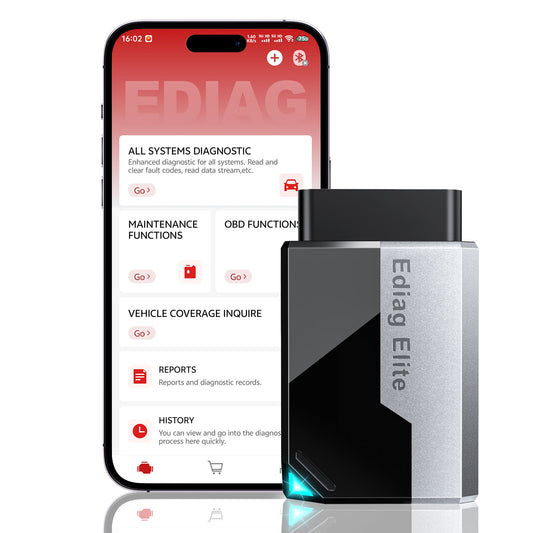
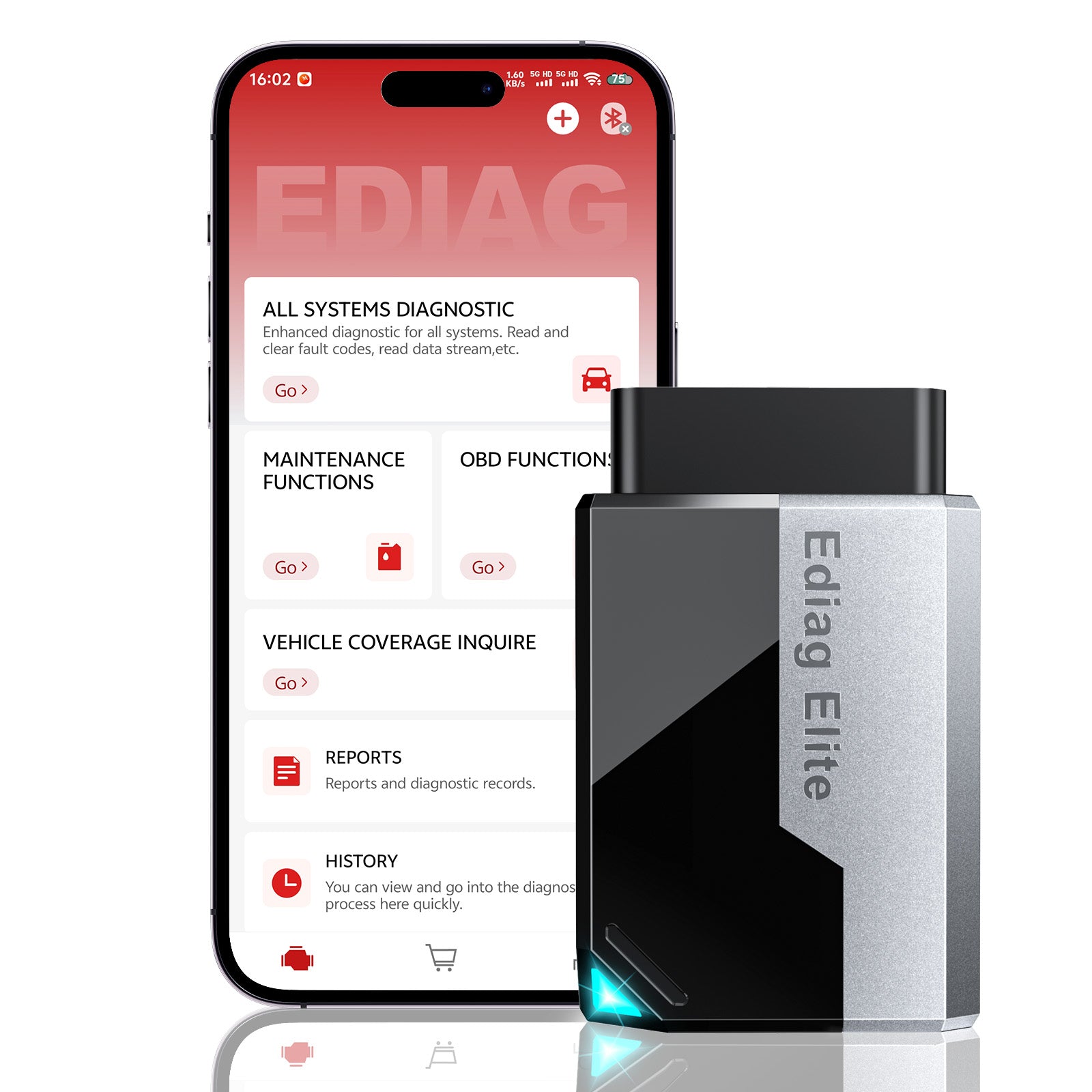
Because a P0300 code can have many potential causes, proper diagnosis is essential. A professional automotive scan tool can significantly reduce troubleshooting time and help identify the root cause more accurately.
Step 1: Read All Diagnostic Trouble Codes
Start by scanning the vehicle for additional fault codes. Common related codes include:
- P0301 – Cylinder 1 Misfire
- P0302 – Cylinder 2 Misfire
- P0171 – System Too Lean
- P0420 – Catalyst System Efficiency Below Threshold
Additional codes can provide valuable clues and narrow down the possible causes.
Step 2: Analyze Live Data
Live data can help determine whether the issue is related to ignition, fuel delivery, or engine management systems. Important parameters to monitor include:
- Engine RPM
- Fuel Trim Values
- Ignition Timing
- Oxygen Sensor Readings
- MAF Sensor Data
Abnormal readings often point directly to the source of the problem.
Step 3: Perform Active Tests
Advanced scan tools with bidirectional control capabilities can perform component tests directly from the scanner. Examples include:
- Ignition coil testing
- Fuel injector testing
- Fuel pump testing
- EVAP system testing
Active tests allow technicians and DIY users to quickly verify whether specific components are functioning correctly.
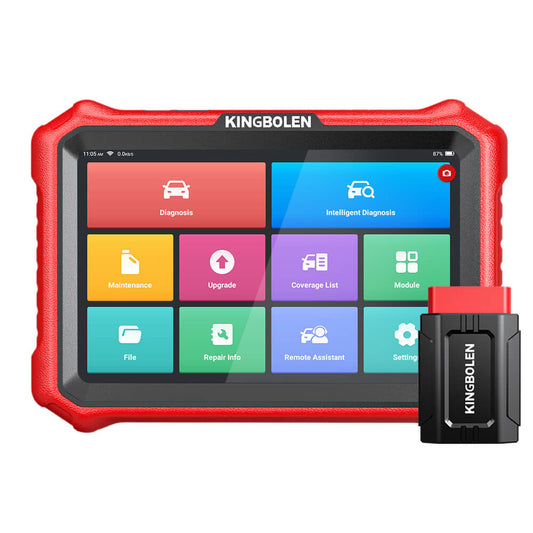
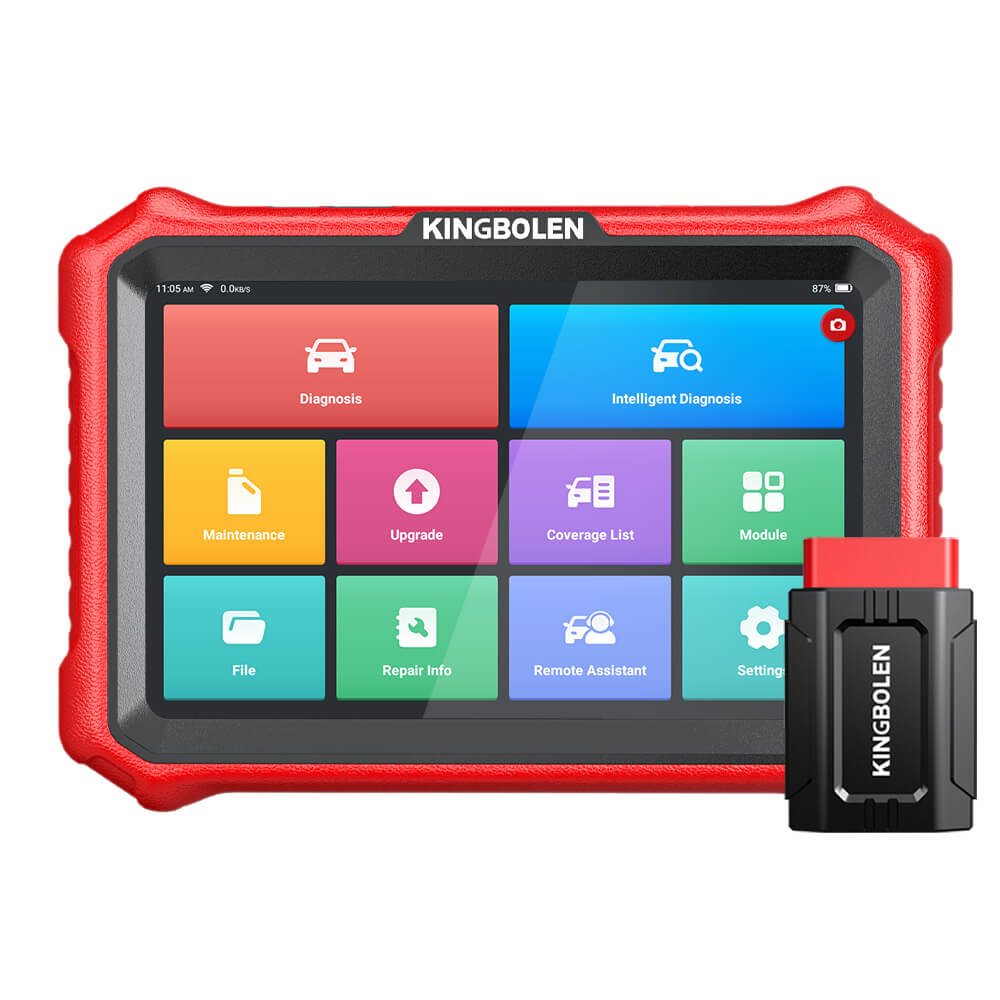
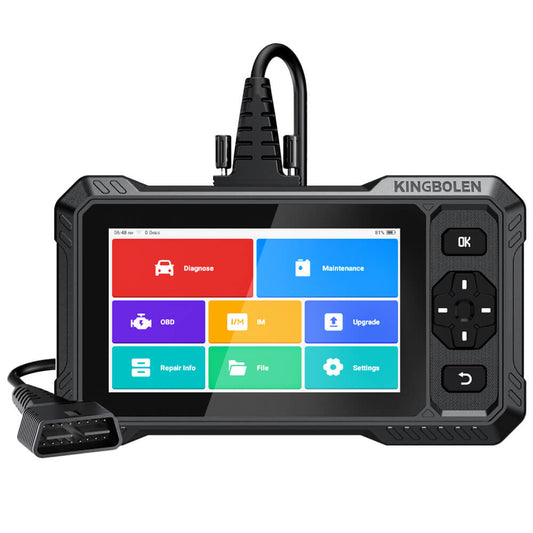
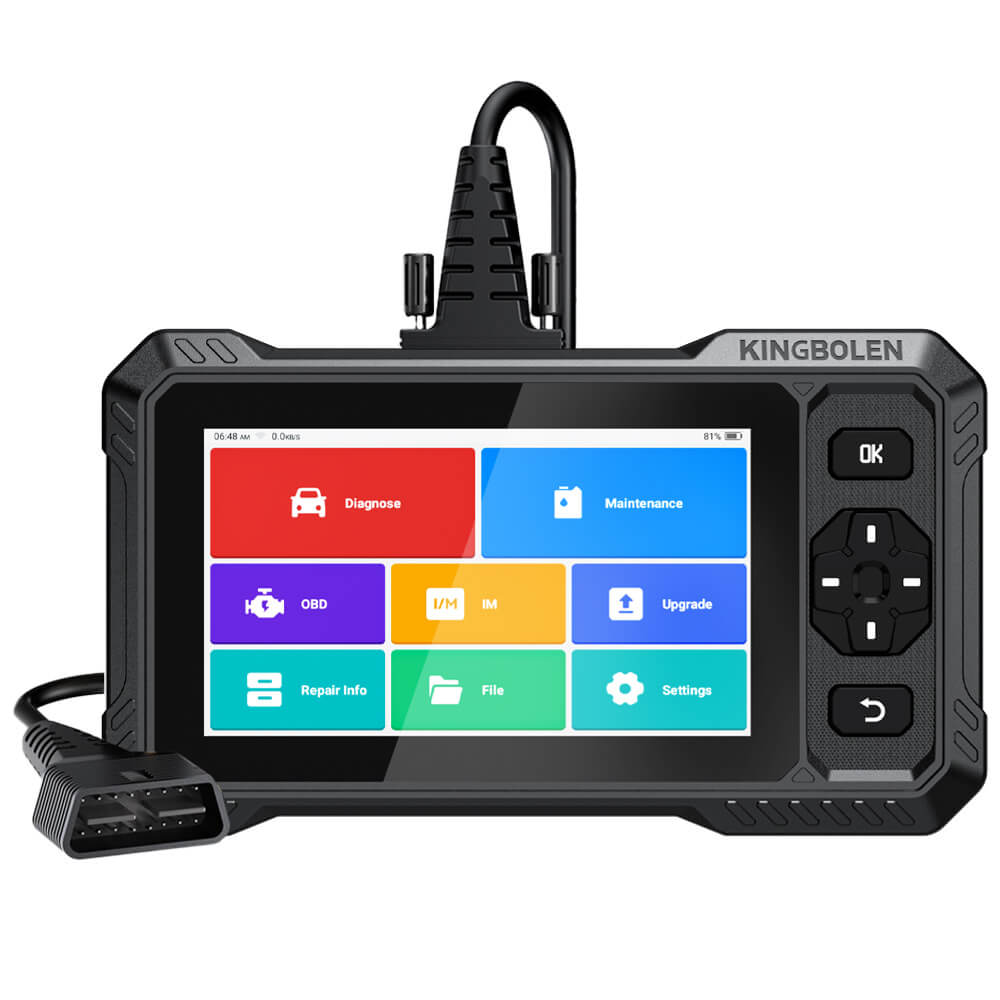
Diagnose P0300 Faster with the KINGBOLEN K8 Pro
For DIY enthusiasts, professional technicians, and repair shops, having the right diagnostic tool can dramatically improve troubleshooting efficiency.

KINGBOLEN K8 Pro — Professional OBD2 Diagnostic Scanner
The KINGBOLEN K8 Pro is a professional-grade automotive diagnostic scanner designed to handle complex engine problems such as P0300 misfire codes. It gives you the tools to go beyond reading codes and actually pinpoint the root cause.
Best For: DIY enthusiasts, professional technicians, and repair shops who need fast, accurate diagnostics on a wide range of vehicles.
Why We Love It: The bidirectional control feature lets you run ignition coil, fuel injector, and fuel pump tests directly from the scanner—saving hours of manual testing and guesswork when chasing down a P0300 misfire.
Can You Continue Driving with a P0300 Code?
The answer depends on the severity of the misfire.
If the engine only exhibits minor vibration and the Check Engine Light remains steadily illuminated, you may be able to drive a short distance to a repair facility.
However, you should avoid prolonged driving and address the issue as soon as possible if:
- The engine is shaking severely
- The Check Engine Light is flashing
- Power loss is significant
Severe misfires can allow unburned fuel to enter the exhaust system, potentially damaging the catalytic converter—a repair that can be far more expensive than fixing the original cause.
Conclusion
A P0300 trouble code indicates that the engine is experiencing random or multiple-cylinder misfires. Common causes include worn spark plugs, faulty ignition coils, injector problems, vacuum leaks, fuel system issues, and sensor failures.
Because multiple factors can trigger this code, accurate diagnosis is critical. Using a professional scan tool to read fault codes, analyze live data, and perform active tests can significantly improve troubleshooting efficiency and reduce unnecessary parts replacement.
If you're looking for a more effective way to diagnose engine performance problems, the KINGBOLEN K8 Pro offers full-system diagnostics, bidirectional control, advanced live data analysis, and extensive service functions to help identify issues quickly and accurately.
Finding and fixing a misfire early can save money, improve vehicle performance, and help keep your vehicle running smoothly for years to come.
